
By Laura Gomez
5th Grade Teacher
For the past three years, I have had the privilege of mentoring Stella Krelstein and Margaux Giraud, two upper school students who have immersed themselves in the teaching world. When I first met them, they were eager yet uncertain, excited yet hesitant. Over time, they have grown into capable, confident young educators, finding joy in supporting younger students and improving their understanding of teaching and learning. It all started when these students, as part of their X-term experience in 9th grade, came into my second-grade classroom. I did not know what to expect, and let’s be honest, I was a bit nervous because upper schoolers can be full of surprises, if you know what I mean. They started with simple observations, watching how I structured lessons, managed behavior, and created a warm and engaging learning environment.
For the past three years, I have had the privilege of mentoring Stella Krelstein and Margaux Giraud, two upper school students who have immersed themselves in the teaching world. When I first met them, they were eager yet uncertain, excited yet hesitant. Over time, they have grown into capable, confident young educators, finding joy in supporting younger students and improving their understanding of teaching and learning. It all started when these students, as part of their X-term experience in 9th grade, came into my second-grade classroom. I did not know what to expect, and let’s be honest, I was a bit nervous because upper schoolers can be full of surprises, if you know what I mean. They started with simple observations, watching how I structured lessons, managed behavior, and created a warm and engaging learning environment.
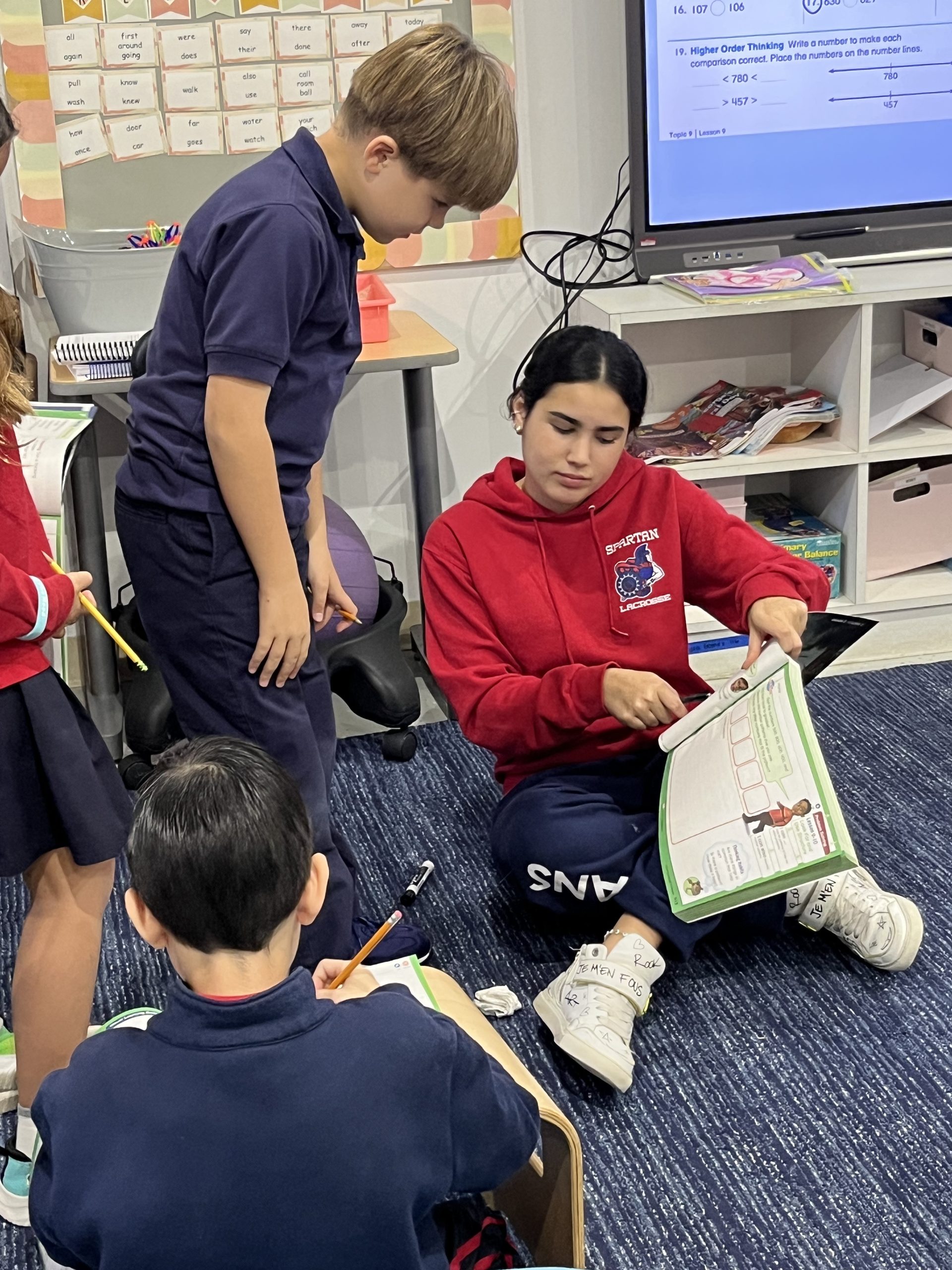
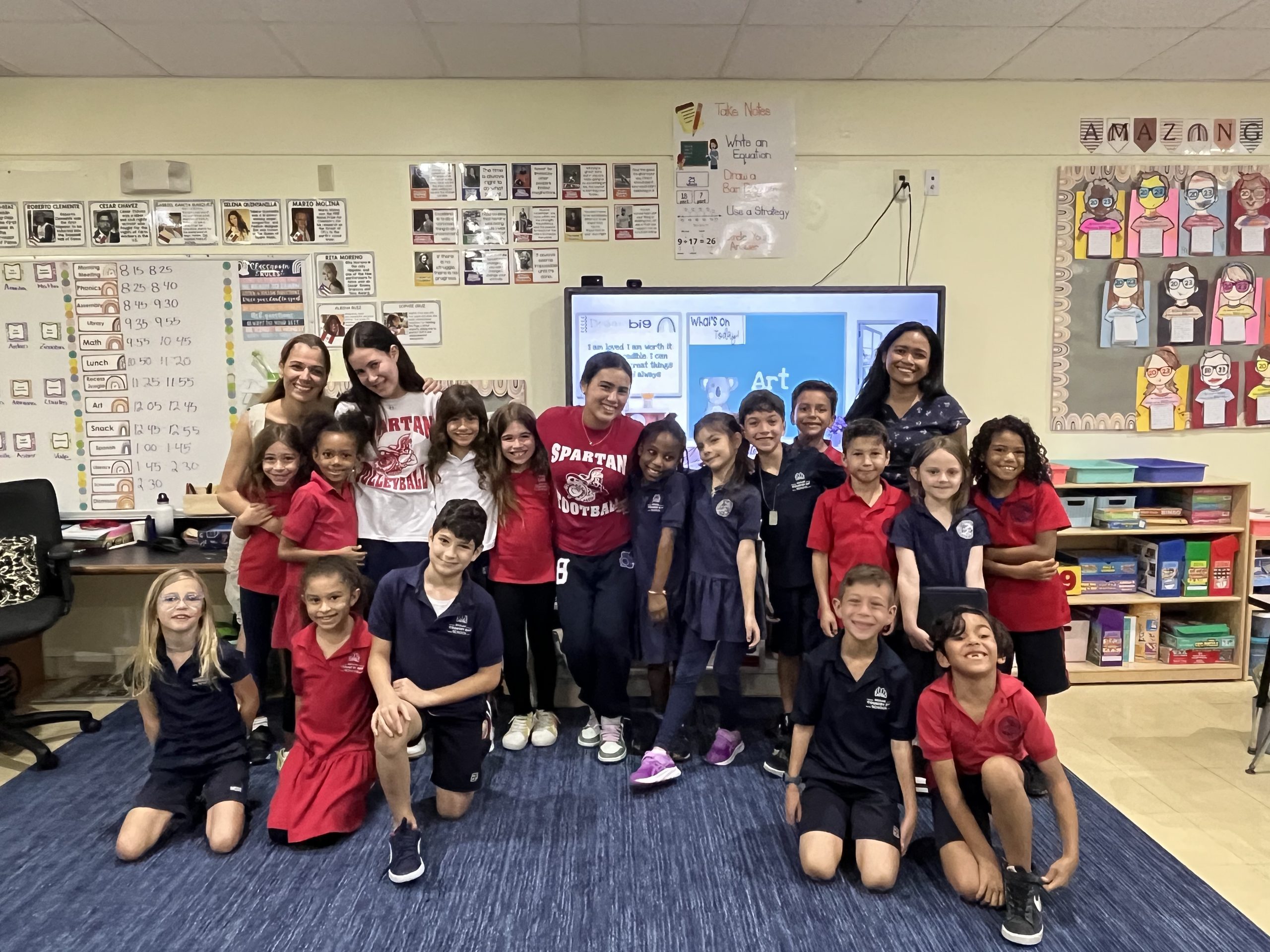
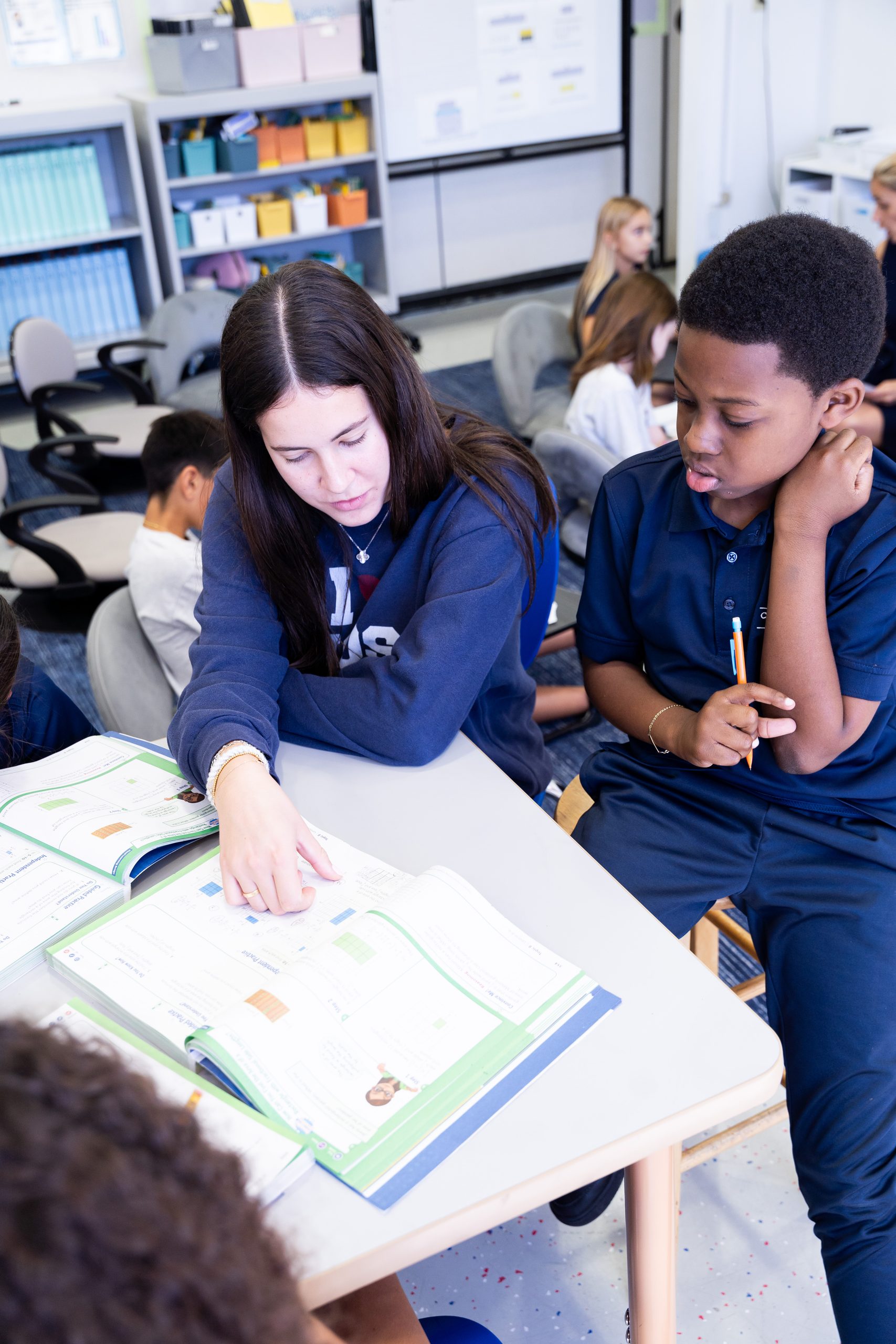
Slowly, they took on more responsibilities, helping with small groups, guiding students through differentiated activities, and even stepping in to lead lessons of their own. I watched as they navigated the balance between instruction and connection, learning to meet students where they were and supporting them in meaningful ways. They quickly learned that teaching is not just about delivering content but also about fostering relationships, resolving social conflicts, helping students build confidence, and most of all, building trust; and that is exactly what they did. They built that trust with my students as they were there at recess, mediating small disputes, encouraging teamwork, and making sure every child felt included. In the classroom, they adapted their language and strategies to support young learners, always stepping in with patience and care. Meanwhile, second graders welcomed them with hugs and cheers every time they saw them walk in. I knew this was not only a wonderful opportunity and experience for Stella and Margaux, but it was also an opportunity for my second graders to connect with older students whom they look up to and admire. It was a definite win-win.
This experience transferred over to a second year as Margaux and Stella once again reached out and asked if they could be a part of my classroom community during their X-Term experience, and of course, I was more than thrilled. It was a new group of students, and I wanted to give them the same experience my previous second-graders had gotten; so, once again, Stella and Margaux spent time with us for a week as part of their X-term requirement but extended their experience for the entire year during their free time. At this point, they knew me well, my style, my approach, and my expectations, so it became more organic for them while in the classroom. When the year was coming to an end, I was informed that I would be transitioning to fifth grade. I shared the news with both of them, and they seemed more excited than me.
The year started out, and I had no idea what fifth grade was going to be like for me. It brought new challenges, and the transition was a definite shift and adjustment for me. Fifth graders are a “whole nother ball game” with unique needs and expectations. What worked for seven-year-olds would not necessarily work for ten- and eleven-year-olds, and I knew this was not going to be easy. When Stella and Margaux reached out to me wanting to continue my mentorship, I was transparently honest with them and told them this year would be a very different experience, considering the age group. Without hesitation, they voiced their excitement and immediately saw this as an opportunity to learn new things. We talked about how I have had to rethink my approach, refine my communication, adjust my engagement strategies, and find new ways to connect with fifth-grade students who are developing greater independence and deeper critical-thinking skills. I shared with them the “big picture” differences between the two grade levels, such going from guiding early readers in second grade to facilitating deeper discussions; from helping students learn how to share to helping them navigate more complex peer dynamics; from sitting on the rug reading picture books, to leading fifth-grade small group discussions on novels, encouraging students to analyze themes and characters; from guiding second graders through simple math centers, to challenging fifth graders to explain their reasoning and problem-solve collaboratively. Both Stella and Margaux have sat back and listened attentively in our meetings with openness from their part and curiosity. Both are eager to learn and have embraced this change as a way to immerse themselves in the full experience of what it’s like to be an educator, having to adapt to change quickly, and they have done it with open-mindedness and interest. When they come into our classroom, they, too, have shifted their approach with my fifth graders and have started with that trust component I talk to them about so much. They know they have to first gain that trust and make those connections that are incredibly important when teaching young students, and they have been doing a wonderful job thus far, so much so that I have to also say the benefits of this mentorship extend far beyond just Stella and Margaux. My younger students have also gained from their presence in the past and this year already. They look up to them as older role models, often connecting with their guidance in ways that sometimes even surpass my instruction. Seeing Margaux and Stella engage with their learning provides my students with motivation and an aspirational example of where their educational journeys might lead. Furthermore, Margaux and Stella, at times, have a unique ability to bridge the gap, explaining concepts in ways that resonate with younger minds, reinforcing learning in a different and sometimes more relatable way. They share with me personal experiences they had when in fifth grade and the struggles and fears they faced, and this has allowed them to connect and relate to my younger students in many ways. As an example of their dedication, this year, they have taken a keen interest in helping my fifth graders prepare for their transition to middle school, not just academically but on a social-emotional level as well. After observing classroom conversations and sensing students’ anxieties about the next step in their education, they took the initiative to organize a special session to answer questions and share their own experiences to ease some of the nervousness that many students feel. Having two upper schoolers offer firsthand insights, practical tips, and reassurance will go a long way in helping these young students feel more confident and prepared for the road ahead. What makes this even more special is that it was entirely their idea, born from genuine care and awareness of my students’ needs, highlighting just how remarkable and compassionate Margaux and Stella are.
Watching their growth has been one of the most rewarding experiences of my teaching career. I have seen them develop confidence, leadership, and a true passion. They are no longer just helpers in the classroom; they are role models, mentors, and a bridge between the Upper and Lower School communities. They have built relationships with students across multiple grades, demonstrating the impact that cross-divisional collaboration can have in strengthening a school’s sense of unity and purpose. Additionally, this mentorship has been a two-way street. While I have guided these students, I have also learned from them, their fresh perspectives, their willingness to step outside their comfort zones, and their genuine desire to make a difference. They have reminded me why I became a teacher in the first place: to inspire and be inspired.
As they move forward, whether into education or other fields, I know that the lessons they have learned in my classroom will stay with them. The ability to adapt, communicate, mentor, and lead are skills that will serve them for a lifetime. And for the students they have worked with, they will remain unforgettable figures, proof that learning is not confined to a single classroom or a single moment, but is instead a shared journey that connects us all.
Stella and Margaux’s story is not just about two upper school students spending time in a lower school classroom. It is about the power of mentorship, the magic of cross-divisional collaboration, and the profound impact that one person can have on another’s learning experience. It is a testament to what is possible when we open our classrooms and our hearts, to the potential of those willing to learn, grow, and inspire the next generation.